


Clear practical guidance on treatment options, monitoring for side effects, and costs for treatment.
Medications for cardiac amyloidosis are very different from those given for heart failure. In this comprehensive guide to cardiac amyloidosis medications your will learn about the many different medications that are given and why. Importantly, you will learn about the time frame in which these are given and come up with very important questions to ask at your next office visit.
There are several types of amyloid, and we typically treat the 2 most common, ATTR and AL. Treatment depends on the type of amyloid, as well as the degree of kidney dysfunction, heart rhythm abnormalities, high blood pressure, and degree of symptoms such as swelling and shortness of breath.
Must Read: What is the Importance of Cardio for Cholesterol Control?
Heart failure medications (older and new) can help with various heart failure-related symptoms, but none of them remove or stabilize the amyloid proteins. In modern treatment, we are trying to slow down deposition of new amyloid, to decrease production of toxic protein, and to treat the underlying plasma cell disorder leading to AL amyloidosis.
For ATTR-related cardiomyopathy, the main class of treatment is that of a stabilizer. These drugs (such as tafamidis and acoramidis) are used to prevent transthyretin from breaking down into insoluble deposits. For AL amyloidosis, the initial treatment is led by hematology and includes a range of options, including daratumumab-based treatments as well as bortezomib-based treatments (such as with cyclophosphamide and dexamethasone).
| Medication approach | Main use | Typical goal |
|---|---|---|
| Transthyretin stabilizer | ATTR-CM | Slow disease progression and reduce heart-related events |
| Chemotherapy or targeted plasma cell therapy | AL amyloidosis | Stop production of harmful light chains |
| Diuretics | Fluid overload | Reduce swelling, congestion, and breathlessness |
| Rhythm or anticoagulant drugs | Atrial fibrillation or clot risk | Lower stroke risk and control symptoms |
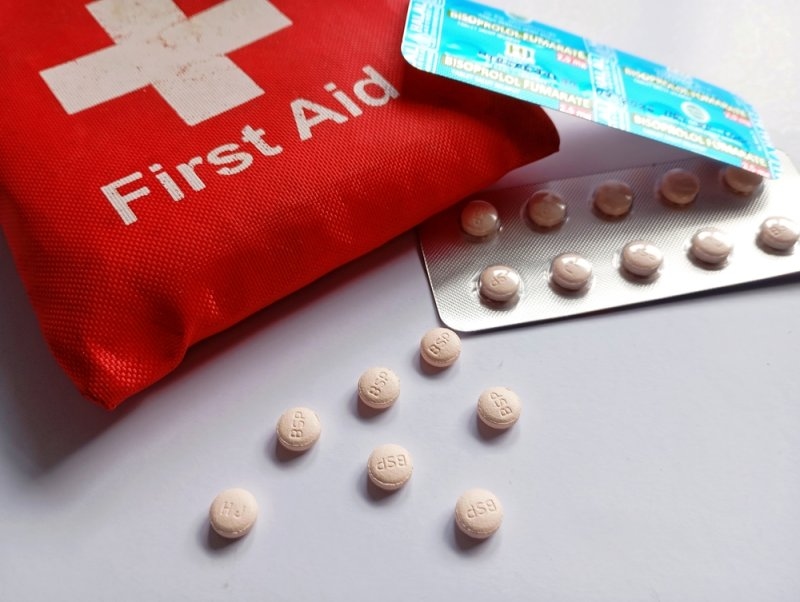
The choice of treatment for a particular disease depends on the protein involved, and therefore a correct diagnosis is the start of treatment. Initial investigations to confirm a diagnosis of unknown cause may include blood and urine tests, cardiac imaging, a bone scan using a tracer, genetic testing, and a biopsy.
To better understand the cardiac amyloidosis medicines, first separate ATTR from AL. There are hereditary and age-related forms of ATTR. The AL form is caused by abnormal plasma cells and can rapidly affect the heart, kidneys, nerves, and many other organs.
The speed of deterioration for patients with AL amyloidosis is critical, and if left untreated, can cause rapid deterioration of the heart within weeks to months. Patients with ATTR amyloidosis tend to deteriorate at a slower rate, but early intervention can result in better organ function, fewer hospitalizations, and a longer period of time before end-organ damage results in deterioration of daily function.
Top Pick: What is the Importance of Cardio for Cholesterol Control?
Cardiac amyloidosis is a condition that can present with hypotension, renal insufficiency, and drug sensitivity. A seemingly small dose can precipitate a sudden drop in blood pressure or cause severe dehydration and an increase in creatinine.
Tracking NT-proBNP, troponin, kidney function, liver tests, weight, blood pressure, and walking distance. Bring a one-week home log to appointments. Note: gaining 2-3 pounds overnight or 5 pounds in a week may change your diuretic.
In treatment planning, it is important to discuss the cost of a treatment. As noted before, expensive brand-name ATTR-CM treatments are often covered by health insurance only after prior authorization and in conjunction with relevant diagnosis, scans, and specialist notes.
The overview of the program for the Attruby support program can provide patients who are eligible for the program with information on the patients’ insurance coverage and the steps for prior authorization, as well as information on specialty pharmacies and financial assistance for patients. Program terms are subject to change; therefore, terms and conditions of the program should be confirmed directly with the official program materials as opposed to relying on a handout provided by a clinic that may be months old.
The value of a brochure is to serve as a checklist for the promises made in the brochure. A review of the Attr CM Copay Brochure Explanation would determine what is required for eligibility, the annual limit, the insurance that would be excluded, the required steps for enrollment, and whether the offer would be for commercially insured patients only.
These programs are typically set up around several different rules: the patient’s insurance, their diagnosis, where they reside, and the processing of the pharmacy. Please review the Attruby Copay Program Details prior to the first fill of your medication, as there are steps to enrollment and medication delivery can be delayed by as little as days to weeks.
Save approval letters and denial notices along with information about the copay card and the specialty pharmacy’s calls to a folder. If a claim is denied, the clinic may need to provide documentation, including proof of diagnosis of ATTR-CM, New York Heart Association classification, prior testing, and medical appropriateness of the selected therapy.
Treatment is optimized when a precise diagnosis is made, clear treatment goals are established, and close follow-up is ensured. Most importantly, distinction needs to be made between ATTR and AL amyloidosis, and useless attempts to treat should be avoided.
The things you need to bring to your appointments are your list of medications, a log of your weight, a copy of your insurance letters, and a log or notes of your symptoms. Rarely will there be only one pill to treat a disease; rather, a combination of disease-specific therapies, careful management of fluid status, heart rhythm, side effects, and cost of therapy.
Tafamidis and acoramidis are disease-targeted for the treatment of patients with ATTR cardiomyopathy. They are approved and available, to varying degrees, on the basis of symptom class, testing, and other co-morbid medical conditions as well as insurance coverage. They would be selected by your cardiologist.
Cardiac amyloidosis is typically treated with standard heart failure medicines. However, because of the associated low blood pressure and stiff heart, these medicines can be difficult to tolerate. As a result, many patients with heart failure due to amyloidosis are unable to take medicines like beta blockers, ACE inhibitors, ARBs and others which are used to control heart failure symptoms. Instead, they are often limited by side effects of diuretics (e.g. excessive urine production) and can only take these medicines in low doses or not at all.
AL cardiac amyloidosis is typically treated urgently as toxic light chains can cause rapid heart damage. Treatment for AL cardiac amyloidosis is provided by a combination of hematologists and cardiologists, with the goal of decreasing production of light chains as soon as a diagnosis of AL cardiac amyloidosis has been made.
Certain treatments can slow down the disease course, alleviate symptoms, or even reduce the production of amyloid proteins. But established heart stiffness can not be reversed completely. There are, however, patients who feel better after controlling the amount of fluid in their bodies and subsequent treatment with specific drugs. This is especially true if said treatment is initiated before the development of severe heart failure.
This content was created by AI