

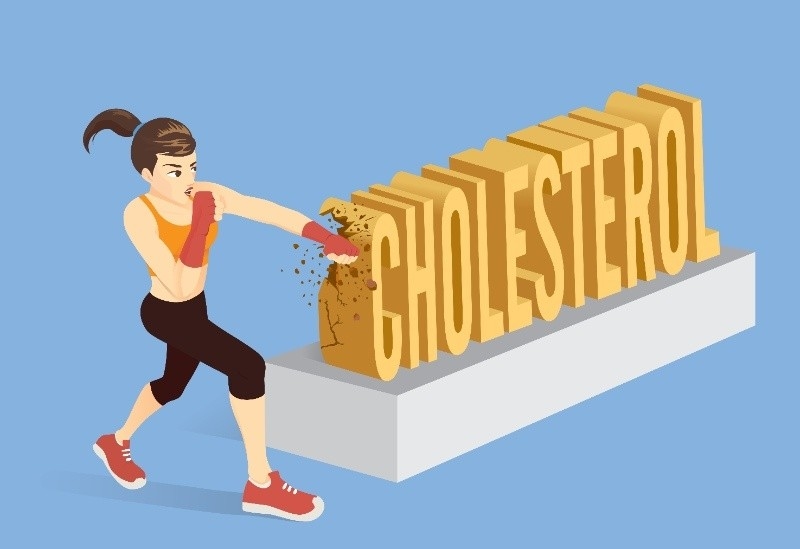
Cardio for cholesterol isn’t just another health tip people throw around. It actually changes how your body handles fat, and more importantly, how it manages the kind of cholesterol that builds up quietly over time.
Most people think cholesterol problems come only from food, and that is partly true. But what often gets ignored is how inactive lifestyles make things worse. You could be eating “okay” and still struggle, simply because your body isn’t using what you consume properly.
This is exactly the reason regular cardio is essential. In this blog, you will find out the best exercises for reducing and maintaining cholesterol.
Must Read: Mastering Your Health With The Best Zone 2 Cardio Habits
The impact of cardio workouts on cholesterol balance is not visible overnight. You can see the changes below to understand the effects of these exercises:
When you stay consistent with cardio, HDL, also referred to as “good cholesterol,” increases gradually. This matters because HDL acts like a cleanup system, carrying excess cholesterol away from your bloodstream and toward the liver, which can be processed and removed.
You need to remember that this is not an overnight process; the results can only be achieved after consistent effort.
Cardio can help you to reduce LDL levels, and a consistent workout can change how LDL behaves. Instead of sticking around and forming plaque in your arteries, it becomes easier for your body to manage and eliminate it. This subtle shift can make a big difference long-term.
There are a few things that most people don’t talk about enough. Doing regular aerobic exercises can help your body to use fat as fuel. In simple words, this means there is less unused fat floating in your bloodstream. It can directly impact your triglyceride levels and overall cholesterol balance.
Better circulation means less chance of buildup and blockage. It sounds simple, but this is one of the reasons cardio is so strongly linked with lower heart disease risk.
There are multiple reasons why cardio is always recommended first for cholesterol balance.
It is essential to understand that lower numbers do not always mean better health. The most important thing is the ratio between good and bad cholesterol. Therefore, you can use cardio to improve your cholesterol balance naturally.
Your body already knows how to deal with excess cholesterol. The problem is, it often doesn’t function efficiently. Cardio activates those processes and keeps them running consistently.
No dependency. No chemical intervention.
Just gradual improvement that sticks if you stay consistent.
Not every workout gives you the same results. Some are simply more effective when it comes to cholesterol control.
This is where most people should start. It is a simple and low-impact workout that is surprisingly effective when done regularly at a slightly faster pace than usual.
If your body can handle it, this speeds things up. You burn more calories, improve cardiovascular strength, and see faster changes in cholesterol levels.
Good for people who don’t enjoy running. It builds endurance and keeps your joints under less stress while still delivering strong results.
This one is underrated. It works your entire body and allows longer sessions without feeling exhausted too quickly.
Short bursts of intense effort followed by rest. It’s not easy, but it’s efficient, especially if you’re short on time and want faster metabolic changes.
There is no clear answer for this question because combining the power of cardio with a proper diet is essential for the best results.
In simple words, only doing cardio exercises will not create the right cholesterol balance. Creating the right balance between food and workout can help in
You need to always remember that these things will take longer without the right balance between diet and cardio.
You don’t need a complicated plan. You just need something you can stick to.
You should at least work out for 30 minutes a day 4-5 times a week. It doesn’t have to be perfect. It just has to be regular.
Start slowly to build your momentum. For example, you can start with walking and turn into jogging. You can then shift from jogging to running in intervals. This gradual transition can help a lot in the long run.
You should not do the same workout every day because it can feel boring. Therefore, you can rotate between different exercises to keep your body and mind fully engaged.
Cardio for cholesterol balance is effective. However, you need to combine it with resistance training to improve your overall body metabolism and get better long-term results.
You don’t need perfection here either. Just reduce processed foods, limit unhealthy fats, and increase fiber intake. That alone amplifies the effects of cardio.
The most common mistakes that people make while doing cardio for cholesterol are
Doing cardio exercises only once a week will not help you much. This is because your body needs repetition to adapt.
Low-effort workouts can help you a bit. However, you need to push yourself occasionally to see big changes in your health.
A cardio workout alone cannot completely help you get the best results. Therefore, it is essential for you to maintain a proper diet.
Cardio for cholesterol isn’t complicated, but it does require consistency and a bit of patience. It works quietly in the background. You will not always feel it or see it. However, it changes how your body functions and improves your health in the long run.
Yes, cardio exercises do help to reduce cholesterol by raising the levels of HDL and lowering LDL. Cardio also supports your body in metabolizing fat efficiently. Thus, cholesterol balance can be more easily controlled in the future. However, the process is slow and takes patience to reap benefits.
The most suitable exercises to improve your cholesterol are cardio. Jogging, running, and swimming are the most suitable exercises for cholesterol balance. Other exercises can also make your body healthy, but the most important are those that you can sustain without feeling demotivated.
Generally, you start noticing the effect on your cholesterol after a few weeks or months, depending on the level of commitment towards exercising regularly. You should keep doing physical exercises until you see significant changes.
This content was created by AI