

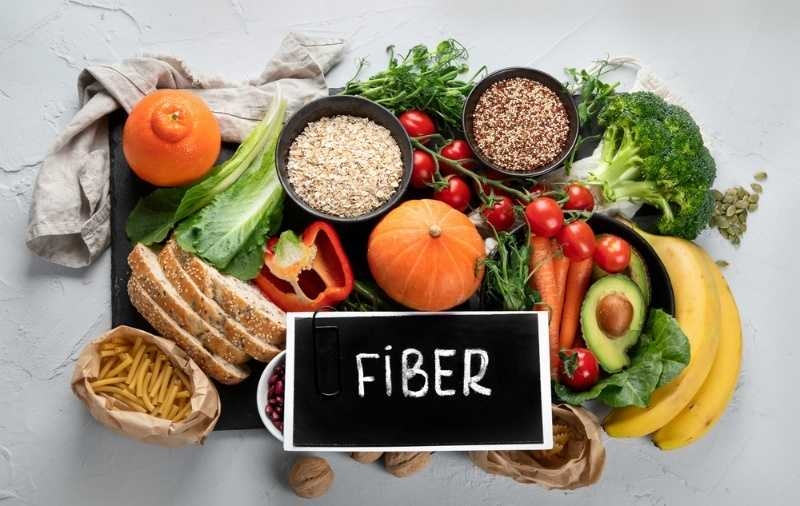
The idea of "fibermaxxing" has become really popular lately. Lots of people who care about their health want to improve their digestion, have energy, and feel better overall. Eating a lot of fiber is no longer a fad. It is actually a good way to stay healthy for a long time.
Fiber is really important for our gut health; it helps keep our blood sugar levels in check. It is good for our hearts. Even though we know all this, many people do not get enough fiber every day. If we can figure out how to eat fiber, we will feel better and be healthier. This guide covers the benefits of fiber, how much fiber we should eat, the best fiber-rich foods, and what to watch out for when we increase our fiber intake.
Fibermaxing is about eating as much fiber as you can every day to reap all the benefits it offers your body. One thing about fiber is that it helps you go to the bathroom regularly. Fiber helps make your stool bigger so you do not get constipated.
Fiber is also really good for your heart. It helps lower your blood cholesterol levels. That means you are less likely to get heart disease. Fiber also helps slow down how fast your body digests food, which means your blood sugar levels stay steady. You do not feel as hungry.
If you start eating too much fiber all at once, you might feel sick. When you eat a lot of fiber, you can get bloated, have gas, and get stomach cramps. So it's a good idea to eat a little more fiber each day and drink a lot of water. That way, you can get all the things from fiber without feeling sick in your stomach. Fiber is important, so try to balance how much you eat each day.
Understanding how much fiber to eat daily is key to a healthy diet. On average, men should eat about 30-38 grams of fiber each day. Women should eat about 21-25 grams. These amounts can vary depending on age and activity level. Your overall health. Most people do not eat fiber. This is because they eat a lot of processed foods and refined grains and not many vegetables.
A simple way to get fiber is to add it to each meal. Don't try to eat it all. Make changes, and your body will get used to it. Eating fiber with every meal really helps. It also helps that you eat vegetables and fruits often. Getting fiber is important for staying healthy.
Incorporating high-fiber foods into your diet is the best way to improve your diet. Whole grains like oats, brown rice, and quinoa are really sources of fiber, and they give you energy that lasts.
Fruits like apples, bananas, and berries are good for you because they have fiber that dissolves in water, and they have vitamins, too. You should eat vegetables like broccoli, carrots, and leafy greens because they help your body digest food and fight off sickness.
High-fiber foods like legumes are very good for you. These include lentils, chickpeas, and beans; they are high in fiber. High-fiber foods like nuts and seeds are good for you, too. Examples include almonds and chia seeds, which are rich in fiber and healthy fats. Eating a lot of natural, high-fiber foods like these helps you get all the nutrients you need and the fiber you need every day.
When people have a hard time getting enough fiber from their diet, fiber supplements can be a good addition. Common supplements include psyllium husk, inulin, and methylcellulose. These fiber supplements help with digestion. Can make bowel movements more regular when used correctly.
People should not stop eating foods just because they take fiber supplements. Foods that grow naturally have lots of good things, like vitamins and minerals and antioxidants, that fiber supplements do not have. It is a good idea to talk to a doctor or healthcare professional before starting fiber supplements. This helps people use fiber supplements correctly and avoid stomach or digestive problems. You should also know essential vitamins and their recommended intake.
While fiber is good for you, too much of it can cause problems. Some common issues that can happen when you eat too much fiber are the following:
In cases of problems with absorbing nutrients. Eating a lot more fiber than usual is often the reason for these problems. Your digestive system needs time to adjust, especially if you haven't been eating fiber before. It is very important to drink water when you eat fiber because it helps prevent constipation and makes digestion easier. You should eat fiber in moderation. Make changes slowly to stay balanced.
Building a routine rich in fiber isn't that hard. You can start your day with breakfast foods high in fiber, such as oatmeal or whole-grain toast. Plan your meal and try to add vegetables to every meal and snack on fruits instead of processed foods. When you can use whole-grain foods instead of foods that have refined grains.
You can also learn which foods have fiber by reading their labels. If you make changes every day, you can eat a lot more fiber without having to make big changes to your life. What is important is that you do things consistently, not that you do everything perfectly, when you are trying to build habits that will last a long time.
A balanced diet rich in fiber is really good for your digestion, heart, and overall health. If you know how much fiber you need each day, pick the right foods, and add more fiber slowly, you can get healthier in a sustainable way. The idea of eating as much fiber as possible suggests that it's better to think carefully about what you eat rather than look for quick fixes. When you do it correctly, eating fiber is an easy way to feel better in the long run.
Know More: How Men and Women Nutrition Needs Differ and Why It Matters
Yes, fiber helps a lot with managing weight. It slows down digestion. Keeps you feeling full longer. This reduces the need for snacking. Foods high in fiber usually have calories. They are great for keeping a healthy weight and supporting overall nutrition with fiber. Fiber plays a role in this.
Many people meet their fiber needs through a balanced diet rich in fruits, vegetables, whole grains, and legumes. There are also various supplements that are helpful when dietary intake is insufficient, but whole foods are always better and remain the primary source for overall health benefits for humans.
A sudden increase in fiber can often cause bloating, gas, and stomach discomfort. The digestive system requires time to adjust to higher fiber levels. It is better to gradually increase intake while drinking enough water, which helps minimize these side effects and ensures smoother digestion and a fuller stomach.
This content was created by AI